Walking into a casino feels a bit like stepping onto a well-lit stage where every element is designed to hold your attention. The roulette wheel spins, the ball clicks, and the layout quietly invites a system. That system is often the roulette martingale strategy, a progression method that doubles your stake after a loss and hopes to recover everything on the next win. It looks tidy on paper, and the visual rhythm of increasing chips can feel satisfying, but the math underneath is unforgiving. Before you commit to any table, it helps to understand how the sequence actually plays out in a real session.
How the Progression Unfolds at the Table
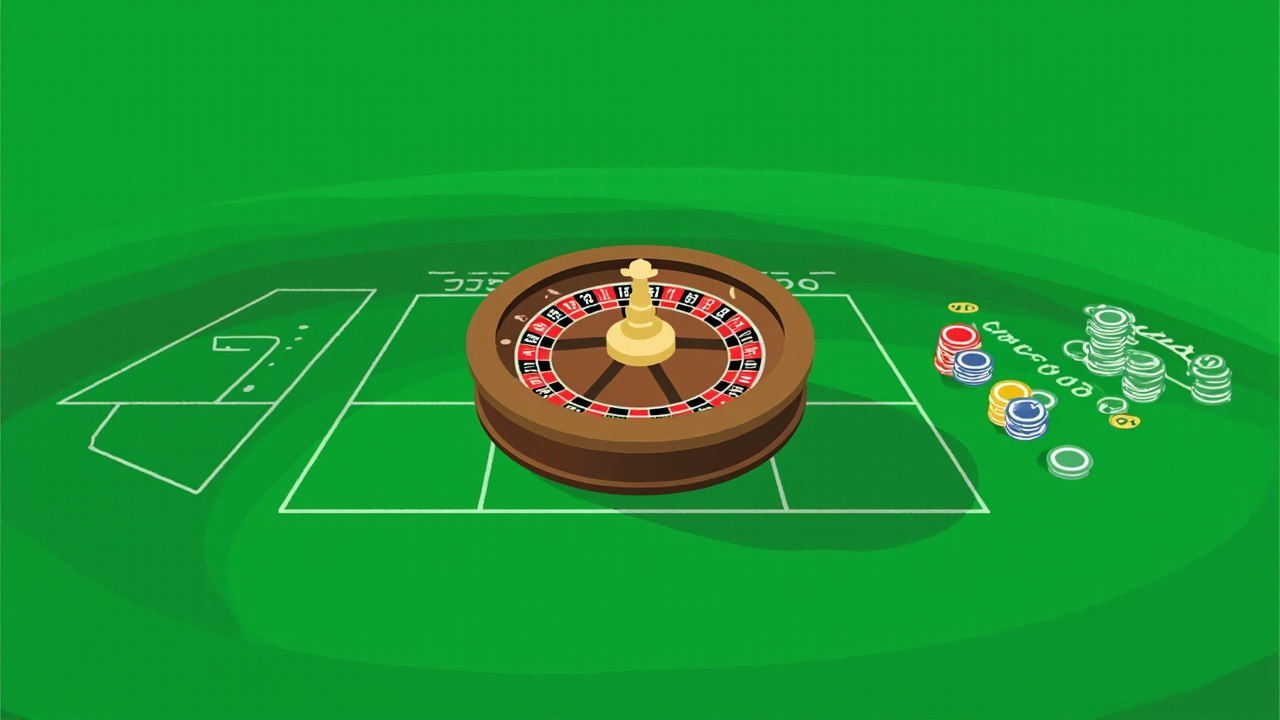
The idea is straightforward enough to explain over a drink. You place an even-money bet, usually on red or black, and if you lose you double the stake for the next spin. A $10 loss becomes a $20 bet, then $40, then $80, and the theory says a single win wipes out the previous losses and leaves a small profit equal to your original stake. The visual side of it matters more than people admit, because watching your chip stack climb in a neat doubling pattern can trick the eye into thinking the sequence is under control. Playtech’s art direction has always understood that a clean, readable table layout reduces friction, and the same principle applies here: if the progression is hard to track, the discipline falls apart. A straight up bet https://truesouthtravel.net/what-to-weigh-when-choosing-pirate-themed-pokies-with-scatter-symbols/ on a single number pays 35 to 1, which is a completely different payoff structure and not what this strategy relies on, so sticking to even-money outcomes is the whole point. The catch is that a losing run can stretch longer than your bankroll or the table limit will allow, and when that happens the next doubling step becomes impossible. That is where the system stops being a tidy plan and starts being a series of hard choices about how much you are willing to expose.
Bankroll, Limits, and the Moment the Sequence Breaks
Every table has a ceiling on how much you can stake, and that cap is the real enemy of a doubling progression. If you start at $10 and hit seven losses in a row, your next bet would be $1,280, which most tables will not accept. The same constraint applies to your own budget, because the sequence assumes you have enough runway to survive a bad run without running dry. A practical way to think about it is to decide your stop point before you sit down, treating that figure like a design boundary you do not cross just because the next step looks tempting. The Ville Resort-Casino and The Reef Hotel Casino serve Queensland’s tropical north around Townsville and Cairns, and anyone who has played indoors in that climate knows how easy it is to lose track of time when the air conditioning is steady and the tables are busy. Setting a loss limit and a target profit before you start is the only way to keep the progression from turning into a chase. Passing the buck comes from a marker, the buck, passed to show whose turn it was to deal, and the phrase is a useful reminder that the wheel does not care whose turn it is; the sequence is entirely on you to manage.
The Welcome Offer and How Promotions Fit the Session
A welcome bonus can shape how you approach a session, but it should be treated as a separate layer rather than a way to fund a progression indefinitely. The structure usually sets a wagering requirement on your bonus and any free play, and the contribution of table games to that requirement varies from one offer to the next. If the promotion favours slots more heavily, then pushing a roulette progression through a bonus can be slower work than it first appears, because the same turnover counts differently depending on the game. Eligibility often depends on how you deposit and whether your account is verified, so sorting that out before you start is the sensible bit. Recurring promos can add a bit of ongoing value, but they tend to come with their own limits and expiry windows, which means they are better treated as occasional support rather than the backbone of a session. The offer structure matters because it defines how much pressure you put on your own bankroll, and a clear read on the wagering, the contribution rates, and any caps keeps the progression from drifting into a guess.
Reading the Table and Keeping the Session Under Control
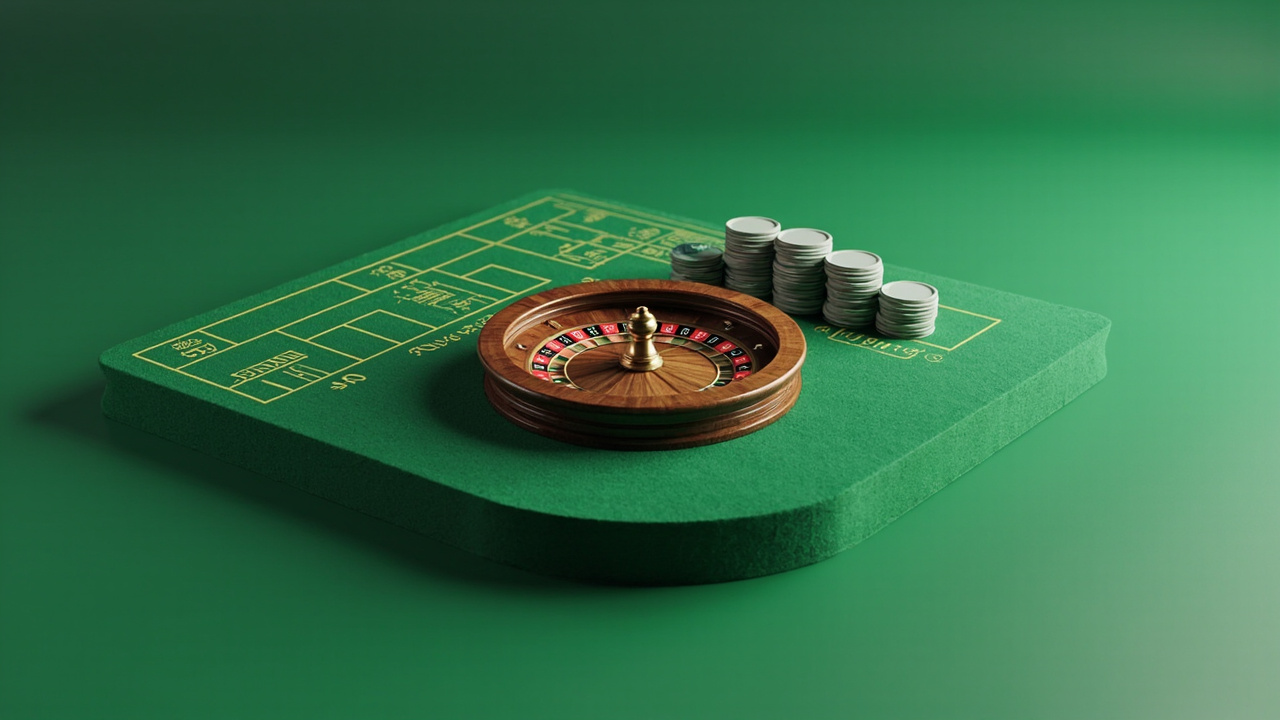
The way a table presents itself has a quiet influence on how a progression feels while you are playing it. A layout that is easy to read, with clear markings for the even-money sectors and a straightforward betting area, makes it simpler to keep track of where you are in the sequence. That is the same kind of thinking behind good slot presentation, where the visual hierarchy tells you what matters without making you hunt for it. On a roulette table, the visual noise can creep in fast once the chips are down and the dealer is calling outcomes, so a calm betting rhythm is worth more than a frantic doubling pattern. A practical session is one where you note the table limit, check your own ceiling, and decide in advance how many steps you are willing to take before you walk away. Perth players know the value of a planned arvo session that starts and ends on your own terms, and that same discipline applies whether you are at a local venue or playing online. The roulette martingale strategy is not a shortcut to a guaranteed result, but it is a workable framework if you treat it as a controlled experiment with a hard exit.https://astropaycasinoau.net
| Detail | What to check |
|---|---|
| Table limit | The maximum stake that caps your doubling sequence |
| Even-money focus | Red/black, odd/even, or high/low outcomes |
| Bankroll ceiling | The loss limit you set before you start |
| Bonus contribution | How much table play counts toward wagering |
| Session exit | The profit or loss point where you stop |